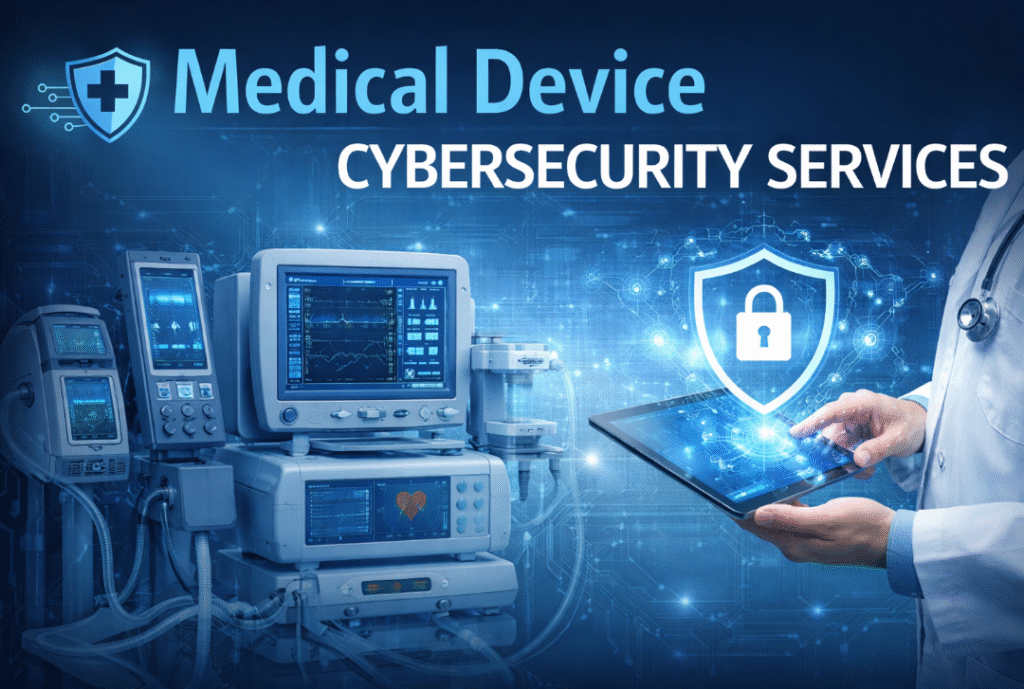










Center of Excellence Security -Medical Device Cybersecurity Services

Fortify Medical Devices with Regulatory-Aligned Security Engineering

Protect patient safety, secure connected medical devices, and accelerate regulatory submissions with COE Security’s expert medical device cybersecurity services.

Medical Device Cybersecurity at COE Security

Screenshot 2026 01 14 223712

COE Security’s Medical Device Cybersecurity Services provide comprehensive, engineering-driven solutions to protect connected medical devices, embedded software, and healthcare systems from evolving cyberthreats while aligning with FDA expectations and global cybersecurity standards.coesecurity.com

Medical devices face unique security challenges — from firmware risks and communication vulnerabilities to data integrity and patient safety implications. Our team combines industry-leading technical assessments with real-world threat simulations, robust documentation, and risk mitigation strategies tailored specifically for healthtech innovators.

Whether you’re preparing a 510(k) or PMA submission, building secure software in development, or maintaining devices in the field, COE Security ensures your security posture is defensible, compliant, and future-ready.


Our Approach

  • Device Scope & Architecture Definition
    We identify all medical device components including hardware, firmware, software, operating systems, network interfaces, cloud dependencies, and third-party integrations to establish a complete security baseline.

  • Regulatory & Standards Alignment
    We map device requirements against FDA cybersecurity guidance, IEC 62304, ISO 14971, AAMI TIR57/TIR97, UL 2900, and relevant NIST controls to ensure compliance readiness.

  • Cybersecurity Gap Analysis
    A comprehensive assessment of existing controls is performed to identify gaps in design, development, documentation, and postmarket processes.

  • Threat Modeling & Attack Surface Analysis
    We systematically identify threat actors, attack vectors, misuse cases, and trust boundaries to understand how cybersecurity risks could impact patient safety and device functionality.

  • Cybersecurity Risk Assessment
    Using industry-recognized methodologies, we evaluate likelihood and impact of identified threats and map them to safety and regulatory risk requirements.

  • Secure Product Development Framework (SPDF) Integration
    We embed cybersecurity into your product lifecycle, aligning secure design, coding, testing, and maintenance practices with FDA expectations
  • Software & Firmware Security Analysis
    Static analysis, configuration reviews, and manual inspections are conducted to identify vulnerabilities, insecure coding practices, and architectural weaknesses.
  • Penetration Testing & Exploit Validation
    We simulate real-world attacks against device software, interfaces, APIs, and communications to validate the effectiveness of security controls.
  • SBOM Generation & Vulnerability Monitoring
    We generate and maintain Software Bill of Materials (SBOMs) and track known vulnerabilities to support transparency and postmarket compliance
  • Regulatory Documentation & Ongoing Support
    We produce FDA-ready cybersecurity documentation for 510(k) or PMA submissions and provide long-term support to address emerging threats and postmarket obligations.
    •  

Regulatory-Aligned Cybersecurity Engineering

End-to-End Device Security Coverage

Actionable, Validated Security Findings

Continuous Risk Visibility & Support

Medical Device Cybersecurity Process

Our established medical device cybersecurity methodology delivers comprehensive security assessments and actionable, regulatory-ready remediation recommendations.

Analyze

Threat Model

Evaluate

Test

Report & Remediate

Why Choose COE Security for Medical Device Cybersecurity?

    • Specialized Medical Device Expertise
      Our team understands the unique cybersecurity, safety, and regulatory challenges of connected medical devices and embedded systems.

    • Regulatory-First Security Approach
      All assessments and deliverables are aligned with FDA cybersecurity guidance and global medical device standards to avoid submission delays.

    • End-to-End Lifecycle Coverage
      We support security from early design and development through premarket submission and postmarket surveillance.

    • Standards-Aligned Methodology
      Our testing and risk assessments align with FDA, IEC 62304, ISO 14971, AAMI TIR57/TIR97, UL 2900, and NIST frameworks.

    • Actionable, Engineering-Ready Findings
      Every finding includes clear, prioritized remediation steps that development teams can implement efficiently.

  • Validated Results with Zero False Positives
    We report only confirmed vulnerabilities, ensuring clarity, accuracy, and faster remediation.

  • SBOM & Vulnerability Transparency
    We help generate, manage, and monitor SBOMs to maintain ongoing compliance and software supply chain security.

  • Advanced Threat Modeling Capabilities
    AI-assisted and expert-driven threat modeling accelerates risk analysis and strengthens regulatory documentation.

  • Minimal Impact on Development Timelines
    Our assessments integrate seamlessly with existing workflows, reducing friction and preventing delays.

  • Trusted Partner for Regulated Industries
    Proven experience supporting safety-critical and compliance-driven organizations with defensible cybersecurity outcomes.

Five Areas Section of Medical Device Cybersecurity

image 22

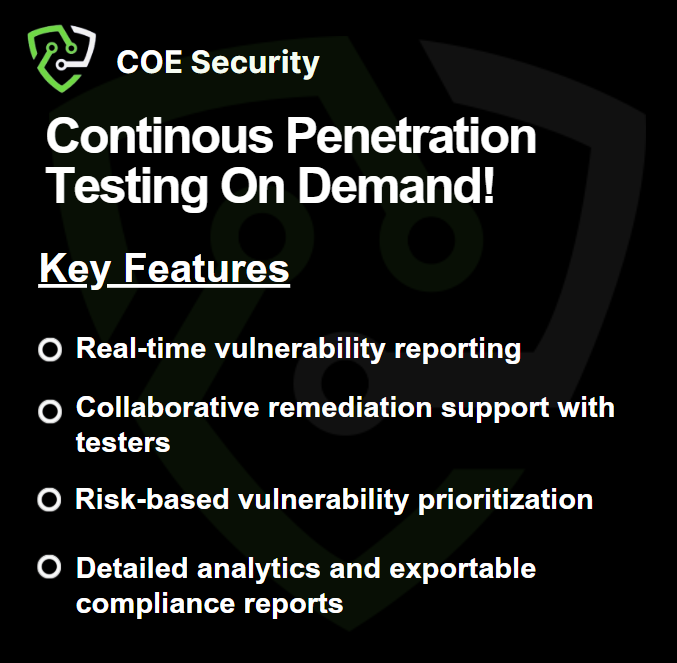
Penetration Testing as a Service

Our Penetration Testing as a Service (PTaaS) provides continuous, on-demand security testing for thick client applications. Unlike web or mobile applications, thick client applications are often installed locally on users’ devices and have unique security concerns. With PTaaS, we simulate real-world attacks on your thick client apps, focusing on vulnerabilities such as insecure data storage, improper session handling, code injection, and client-side security flaws. Through regular and comprehensive testing cycles, we uncover hidden vulnerabilities that could be exploited by attackers, ensuring that your application is secure, resilient, and prepared for any potential threats.  

image 23

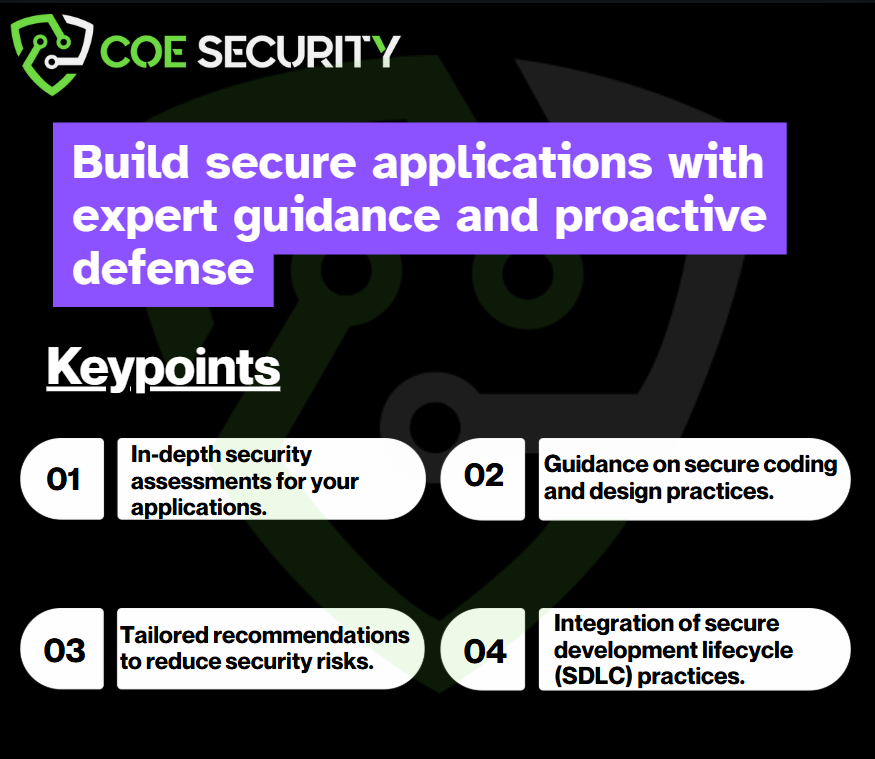
Application Security Consulting

Our Application Security Consulting services are designed to integrate security into every phase of your thick client application development lifecycle. We work with your development team to identify potential security risks early and provide guidance on implementing best practices for secure coding, architecture, and testing. From securing data storage to hardening communication channels, our experts help you build a strong security foundation for your thick client applications. Additionally, we assist in conducting threat modeling, static code analysis, and risk assessments to ensure that your thick client apps are secure against both internal and external threats.

We also address risks unique to thick clients, such as local data exposure and reverse engineering. Our approach helps reduce rework, accelerates secure development, and ensures long-term application integrity.

1ffc5105 ee8d 4121 b431 fbc06c3eaf7a

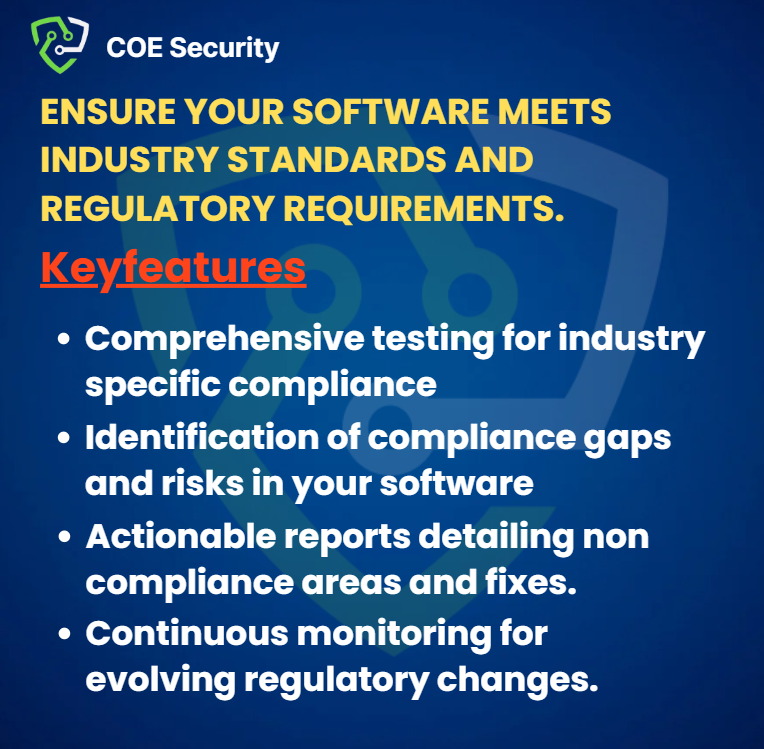
Software Compliance Testing

Compliance with industry standards and regulations is essential, even for thick client applications. Our Software Compliance Testing service ensures that your thick client applications meet the required regulatory frameworks, including GDPR, HIPAA, PCI-DSS, and others. We conduct detailed assessments to ensure that your software adheres to security, data privacy, and accessibility standards. By performing thorough compliance testing, we help you identify any gaps or non-compliance areas that could lead to penalties, data breaches, or reputational damage. Our testing provides you with the assurance that your thick client application meets legal and regulatory requirements, minimizing legal and operational risks.

image 24

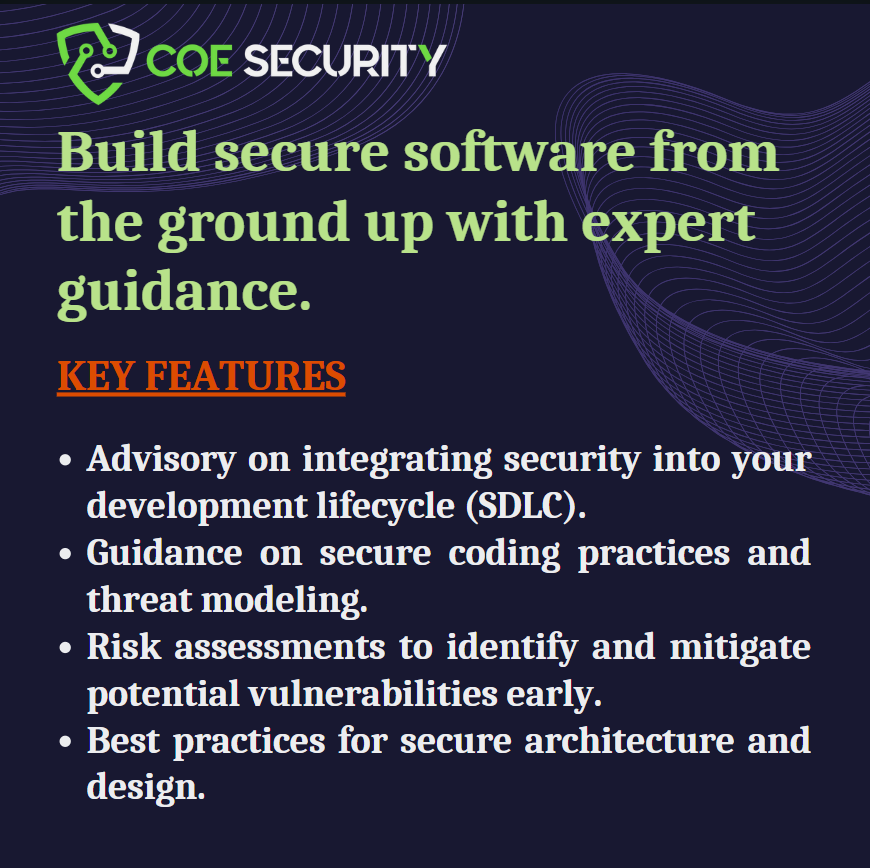
Secure Software Development Consulting

Secure development practices are crucial when building thick client applications to ensure that security vulnerabilities are mitigated during the development phase. Our Secure Software Development Consulting services guide your team in adopting secure coding techniques and integrating security into the software development lifecycle (SDLC). We provide hands-on support in threat modeling, secure architecture design, and vulnerability management, ensuring that your thick client applications are built with security in mind from the very beginning. By applying secure development practices, we reduce the risk of introducing security flaws, ensuring that your applications are resistant to exploits, such as buffer overflows, insecure deserialization, and privilege escalation.

image 25

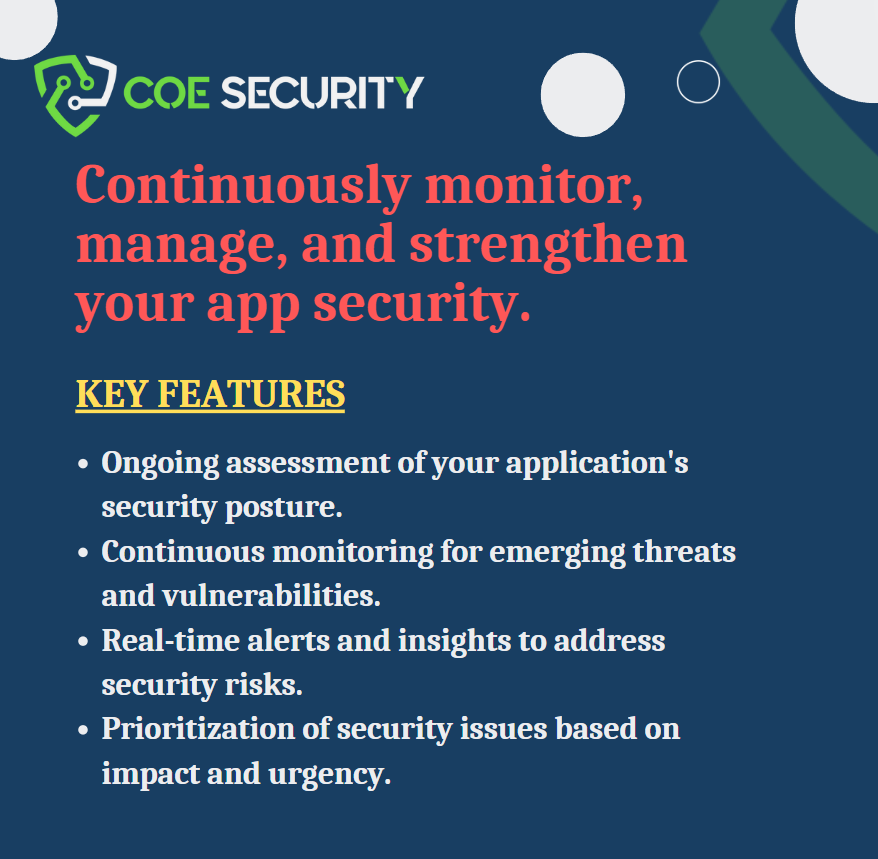
Application Security Posture Management

Application Security Posture Management is a continuous, proactive approach to managing and improving the security of your thick client applications. We help you monitor your application’s security posture over time, ensuring that new vulnerabilities are quickly identified and mitigated. This includes regular vulnerability assessments, patch management, and threat intelligence integration to stay ahead of emerging threats. Our team provides ongoing support to address security gaps, track the effectiveness of security controls, and ensure that your application’s security posture is always up to date. By maintaining a strong security posture, we help you protect your thick client applications from evolving cyber threats.

Why Partner With COE Security?

Your trusted ally in uncovering risks, strengthening defenses, and driving innovation securely.

Expert Team

Certified cybersecurity professionals you can trust.

Standards-Based Approach

Testing aligned with OWASP, SANS, and NIST.

Actionable Insights

Clear reports with practical remediation steps.

Our Products Expertise

Information Security Blog

Critical Enterprise Risk
24Jan

Critical Enterprise Risk

In today’s interconnected enterprise environments, firewalls represent the first and last line…

Ancillary Systems Are High-Value Targets

On December 15, 2025, SoundCloud confirmed unauthorized access to user data affecting…

chained exploitation technique
22Jan

chained exploitation technique

A critical weakness has been identified in Windows Remote Access Connection Manager…

Add Your Heading Text Here